

Not so long ago, if you wanted to publish a photo book, you had a pretty significant hurdle to clear: someone else had to believe your photographs were worth publishing. You needed a publisher willing to take a chance on your work. Someone to invest in editing, design, printing and distribution. Someone who believed there was an audience for what you had made, or at least enough of one to justify the expense.
Of course, photographers have been making their own books, zines and handmade publications for ages. Self-publishing isn’t new. But the ability to produce a professionally printed photo book, in relatively small quantities, without a publishing house behind you? That’s become remarkably accessible.
These days, you can make the photographs, edit them, design the book on your computer, upload the files to a printer and have a box of finished, high quality books delivered to your doorstep. You don’t need a publisher, you don’t have to win a competition, and you don’t need anyone else to decide the work is important enough. It’s actually pretty extraordinary when you think about it.
But…there’s always a but, isn’t there?... It also raises a question: Just because anyone can publish a photo book now, does that mean everyone should?
Who decides what’s worth publishing?
I suspect some people would argue that removing the gatekeepers hasn’t been entirely good for photography. I get that. Publishing a book used to require a certain amount of outside validation. Someone had to look at the work, recognize something worthwhile in it and commit resources to bringing it into the world. Not that that guaranteed a good book, of course. But it did introduce another set or sets of eyes, and often a whole team of people whose job was to make the work stronger.
Now? Well, you can decide on Monday that your photographs deserve a book and have the files off to the printer by Friday. Whether that’s a good idea is another matter. (I think we can all agree there’s a major difference between having enough photographs to fill 100 pages and having a body of work that holds together as a book.)
A good photo book asks for more than just photos from a photographer. It requires editing, sometimes ruthlessly. It asks you to consider what the photographs are saying together, how they relate to one another, what belongs and what doesn’t. And sometimes the most important decision is to wait. To go back out and make more photographs. Or to realize that the project isn’t quite what you thought it was and pivot. Just because we can make a book doesn’t mean we should skip any of that. But here’s where I start to have a problem with the gatekeeping argument.
What about the books that never got made?
A publisher has to make decisions that go beyond the quality of the photographs. Will the book sell? Is there a recognizable name attached to it? Is the subject interesting to enough people? Can the publisher justify the financial risk?
Those are all perfectly reasonable questions when you’re running a publishing business. But I don’t like to think the only measures of whether a body of work deserves to exist in book form is if someone can make a dime off it or whether or not you’re Instafamous.
Think about the photographer who has spent 20 years documenting a neighborhood that’s slowly disappearing. Or someone who has photographed the same small community for decades. Or a deeply personal project that might resonate with only a few dozen people. Maybe those projects wouldn’t sell 2,000 copies. But does that really make them less valuable? I don’t think so.
Some books matter because they preserve something that would otherwise disappear. Some matter because they give a small group of people the chance to see themselves and their experiences represented. Some are made because a photographer has spent years trying to understand something, and bringing the work together in book form is part of that process. And some are made simply because the photographer wants to make one. I don’t think that last reason is as frivolous as some might make it out to be. Case in point: we don’t expect a painter to justify every canvas with a potential market. We don’t tell people to stop writing unless they have a publishing contract waiting. So why should a photographer need to prove they have a huge audience before making a book?
The freedom to make something bad
And another thing. When more people have access to publishing, more mediocre books are inevitably going to get made. Probably some truly terrible ones, too. But that doesn’t bother me one bit. Making things is how people learn to make better things.
Your first photo book might have awkward sequencing. You might choose the wrong paper, include too many photographs or realize six months later that the cover doesn’t work nearly as well as you thought it did. You might even look back at the whole thing and find it a little…shall we say…cringe. But guess what? You’ll have learned a whole lot of things that would have been difficult to learn without actually making the book. And who knows? That imperfect first attempt might lead to something wonderful.
I think there’s room for books that are ambitious works of photographic art and books that are simply meaningful to the people who made them. They don’t all have to serve the same purpose.
Making a book is easy. Making a good one isn’t.
Well, okay. Making a book isn’t exactly easy. Anyone who’s spent an afternoon wrestling with page layouts or trying to decipher a printer’s file requirements knows that. But the technical barriers are much lower than they used to be.
The harder part, I think, is making good decisions. Knowing when your project is ready. Knowing which photographs to leave out. Understanding how sequencing changes the way someone experiences the work. Choosing materials that serve the photographs rather than distract from them. And perhaps most importantly, being able to answer a simple question: Why do I want to make this book? Is it to preserve something? To share a story? To bring closure to a long-term project? To reach an audience? To sell copies and fund the next one?
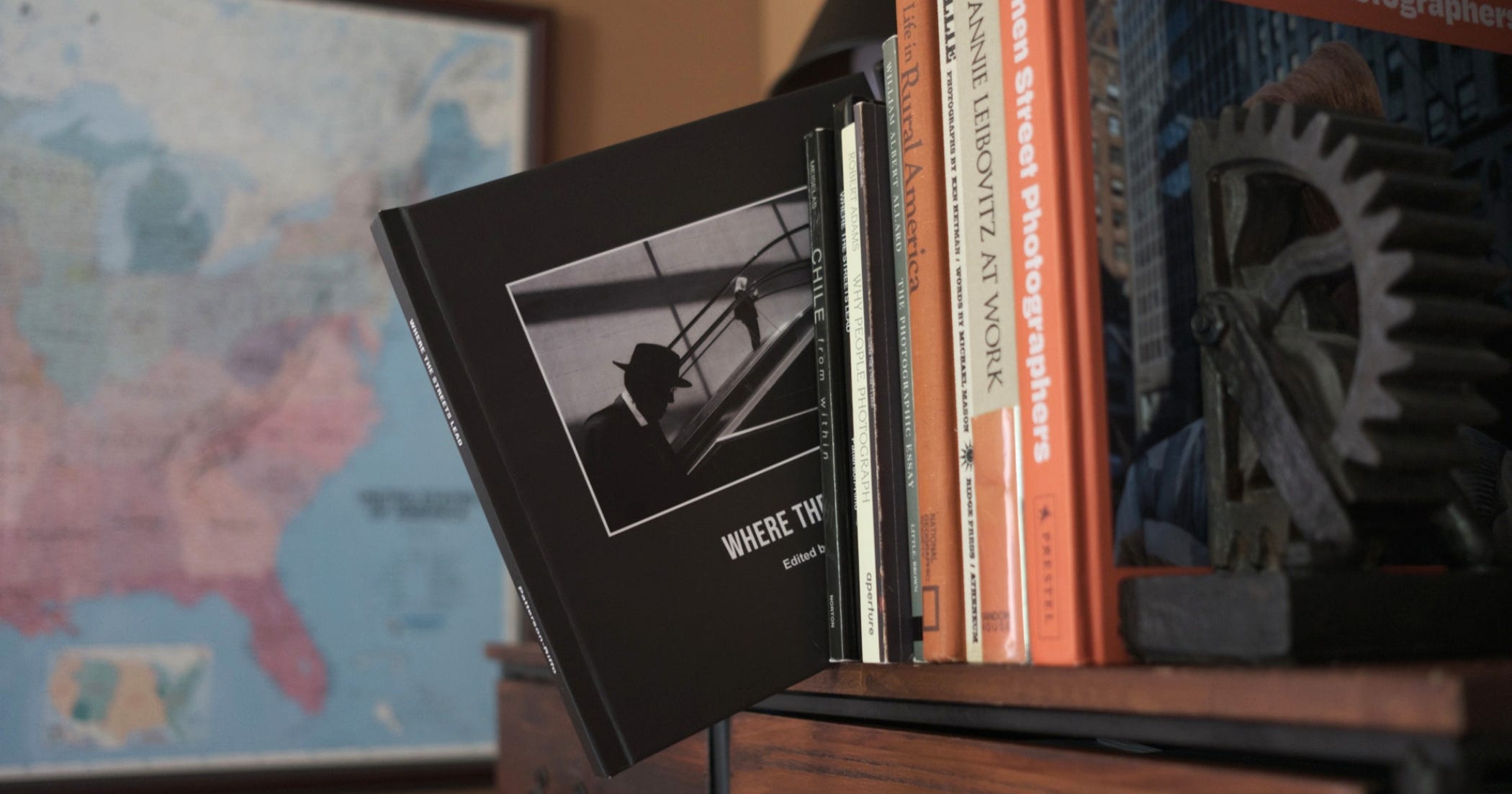
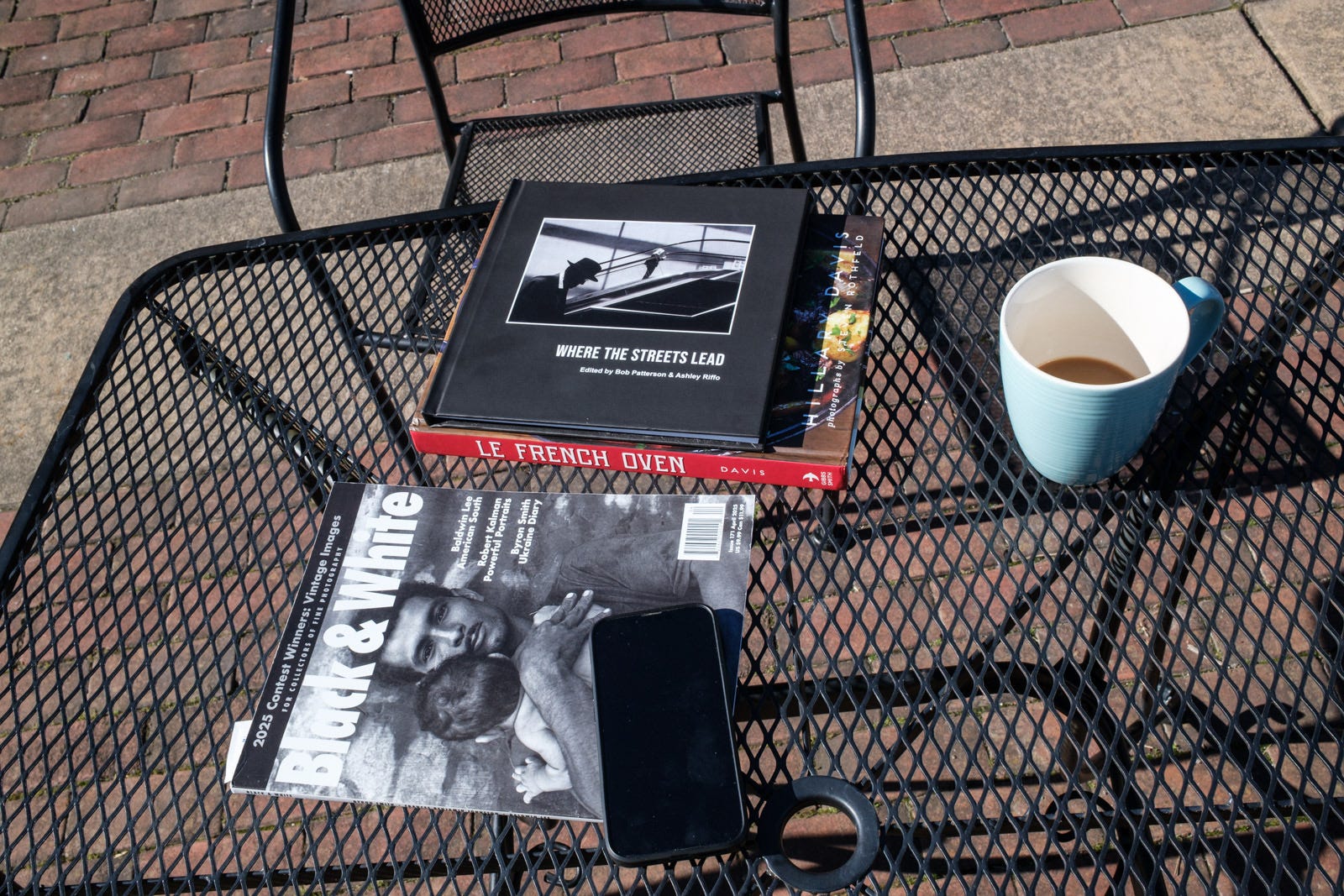
There’s no single correct answer. But I think having one makes the rest of the decisions a lot easier. When Bob and I made Where the Streets Lead, we had to work through all sorts of decisions that had very little to do with actually taking photographs. Which images belonged? How should they be arranged? How many copies should we print? How would we get them into people’s hands? We learned a tremendous amount in the process. And having now sold out two print runs, I’m grateful we took the chance.
But I wouldn’t say that selling out is what made the book worth making. The book mattered to us before anyone bought a copy. And I’d say that’s an important distinction.
So, should everyone publish a photo book?
Realistically, my answer would have to be no. Not every collection of photographs needs to become a book. Not every project is ready, and not every photographer wants to present their work that way. But I also don’t think we need fewer people making books simply because some of those books won’t be particularly good.
I’d rather see photographers experiment, make mistakes, learn something and occasionally create a book that might never have existed under the traditional publishing model. Because for all the things publishers can offer, and good ones offer a great deal, they shouldn’t have the final say in which stories get told.
So no, I’m not convinced every body of work needs to become a book. But I am very glad photographers get to make that decision for themselves.
If you’ve decided there’s a book in your work but aren’t quite sure how to make the leap from photographs to finished book, that’s exactly why Bob and I created How to Self-Publish a Photo Book.
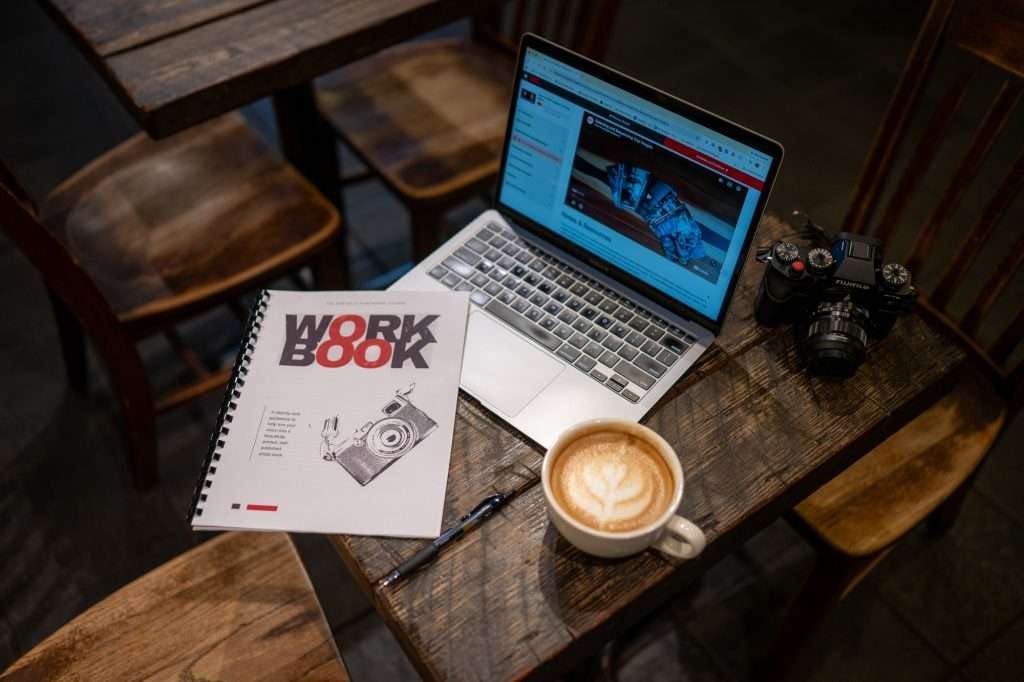
It’s a practical, seven-lesson course covering editing, sequencing, design, printing, promotion and sales, drawing on what we learned making our own book. You can explore it here.
Some good thoughts here. I think before making a photo book, asking that question to why you want to make it and being able to justify to yourself that the reason is solid is important. Often times we make things just to make them, no real purpose or direction. I am certianly guilty of that.
Hey Ashley, I have the original email invitation to the course in my inbox. Just waiting for the right moment :). Excellent post!